Chasing the Color Change: America's Greatest Fall Drives and How to Time Them Right
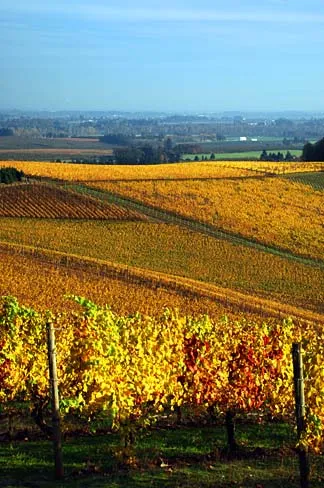
Photo: Gary Halvorson, Oregon State Archives, Attribution, via Wikimedia Commons
Fall foliage is the most time-sensitive show in American travel. Miss peak by a week and you're driving past bare branches; hit it right and you'll spend three days wondering if someone quietly turned up the saturation on the entire landscape. Because the best leaf routes run through small towns and two-lane roads that trains and shuttles barely touch, a rental car isn't just convenient — it's the only way to do this trip properly.
Here's how to plan one, from route picks to booking windows.
Vermont's Route 100: The Classic, For a Reason
Route 100 runs nearly the length of Vermont, threading through villages that look like they were designed by a postcard company — Stowe, Waterbury, Waitsfield, Weston. Covered bridges, church steeples, sugarhouses selling cider donuts: it's the foliage trip against which all others are measured.
Peak window: Late September in the northern stretches, mid-October as you head south. Vermont's foliage reports publish weekly predictions, so check them the week before you book.
The booking reality: Vermont is small, and so is its rental fleet. Fall weekends — especially Columbus Day weekend, which is peak-peak — see rental availability evaporate by early September. Book your car four to six weeks out minimum, and grab lodging even earlier. A midsize sedan or small SUV handles Route 100's curves beautifully; you don't need anything bigger, and parking in village centers rewards compact choices.
Michigan's Tunnel of Trees: The Underrated Showstopper
M-119 between Harbor Springs and Cross Village in northwest Michigan might be the country's most under-appreciated foliage drive. Twenty-odd miles of canopy arching over a narrow, winding road along Lake Michigan's bluffs, with the water flashing copper and gold through the trees.
Peak window: Early-to-mid October, roughly a week after the Upper Peninsula turns. The lake moderates temperatures, which stretches the season slightly — a genuine advantage if your timing is uncertain.
The booking reality: Fly into Traverse City or Pellston. Rental fleets at both are modest, so fall weekends book up fast, but rates stay reasonable compared to New England. This is a route where a convertible or a car with a sunroof genuinely earns its keep — half the experience is looking up.
The Blue Ridge Parkway: The Long Game
At 469 miles, the Blue Ridge Parkway isn't a drive; it's a commitment. The reward is a foliage season that lasts two months, because elevation does the work: peaks near Asheville turn in early October, the lower slopes and Virginia stretches hold color into mid-November. If your schedule is flexible, this is the route that forgives imperfect timing.
Peak window: Early October at high elevations, late October into November in the valleys and farther north.
The booking reality: Fly into Asheville, Roanoke, or Charlotte, all of which have healthy rental inventories. A comfortable crossover or SUV suits the Parkway's long, gentle grades and generous overlook stops. One-way rentals shine here: pick up in Asheville, drop in Charlottesville or Washington, D.C., and you've turned a scenic drive into a full autumn journey without backtracking a mile.
The One-Way Trick That Changes Everything
Most people foliage-drive out and back along the same road. A one-way rental — dropping the car in a different city than you picked it up — lets you chain routes instead. Asheville to Charlottesville via the Parkway. Burlington pickup, a run down Route 100, and a drop in Boston or Hartford for your flight home. One-way fees exist, but in fall they're often offset by the airlines-and-rental-companies-both-want-to-reposition-fleets reality: some repositioning routes are surprisingly cheap, especially midweek.
When to Book Before the Surge
Fall foliage pricing follows a predictable curve. Rental rates in foliage regions are flat through Labor Day, start climbing mid-September, and spike hard for the first two weekends of October — often double the September rate, with thinning availability. The move: once you've picked your route and rough peak window, book the car immediately. Most major brands offer free cancellation, so an early reservation is a free option on the best price. Rebook if rates drop; never wait and hope.
A Quick Packing Note for Foliage Drivers
Mountain roads in October mean frost at sunrise and seventy degrees by noon. Layers in the car, a full tank before remote stretches (fuel stations get sparse on the Tunnel of Trees and sections of the Parkway), and downloaded offline maps — cell coverage dips in exactly the places that are prettiest.
The leaves don't check your calendar, and they don't wait. Pick a route, book early, and go find the color while it lasts.