The Gas Game: How Rental Companies Turn Your Fuel Choice Into Their Profit
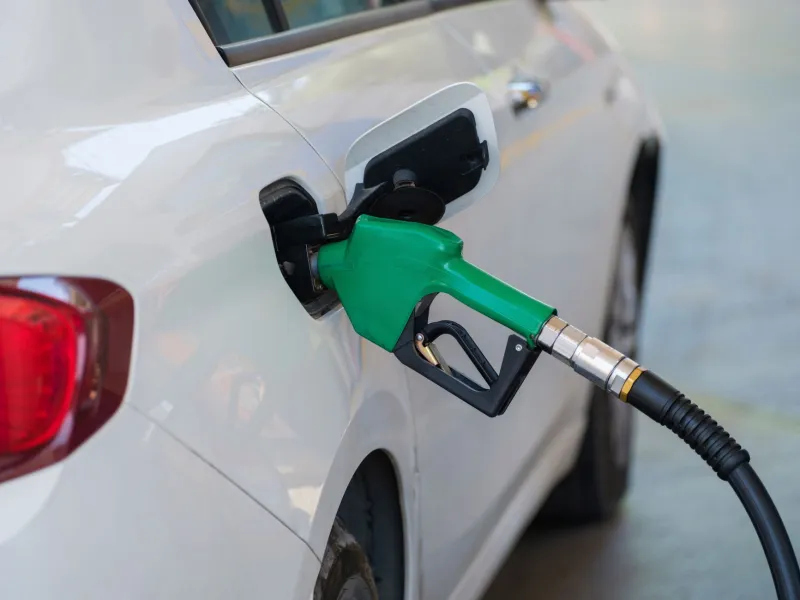
It's one of those questions you answer on autopilot at the rental counter: do you want to pre-pay for fuel, or will you return the car with a full tank? You've probably picked one without thinking too hard about it. Most people do. And most people end up overpaying as a result.
Fuel policies are a quiet but significant profit center for rental companies. The structure of both options — pre-pay and return-full — is designed to capture money from renters who don't do the math. Let's actually do the math.
How the Pre-Pay Option Is Priced
When a rental counter agent offers you a pre-paid fuel package, they're selling you a full tank of gas at a set rate per gallon. That rate is almost always higher than what you'd pay at a gas station down the street — sometimes by 20 to 40 percent.
In markets where regular unleaded sits around $3.50 a gallon, pre-pay rates often hover around $4.50 to $5.50. In high-cost areas like California or Hawaii, you can see pre-pay pricing push $6.50 or more per gallon. The rental company buys fuel in bulk at wholesale rates, then marks it up substantially for the convenience of not having to refuel yourself.
The pitch sounds appealing: pay now, don't worry about finding a gas station before you return. But here's the catch — you're paying for a full tank regardless of how much you actually use. If you return the car with a quarter tank left, that unused fuel doesn't come back to you. It goes right back into the next rental.
For short trips or urban rentals where you're covering modest mileage, the pre-pay option is almost always the wrong call.
The Return-Full Option Isn't as Safe as It Sounds
Choosing to return the car full seems like the responsible, money-smart move. And it can be — if you execute it correctly. But rental companies have quietly engineered this option to capture revenue from people who don't.
If you return the car without a full tank, the company refuels it and charges you for the gas. That sounds fair until you see the per-gallon rate: it's typically even higher than the pre-pay rate. We're talking $6, $8, sometimes $10 or more per gallon, depending on the company and location. Some rental agreements include a service fee on top of the fuel cost itself.
The incentive structure is deliberate. If you're running late, stuck in airport traffic, or just can't find a gas station near the return facility, that half-tank you didn't refuel could cost you $40 to $80 more than if you'd stopped at a Shell two miles away.
Real-World Numbers
Let's put some actual figures on this. Say you're renting a midsize sedan with a 15-gallon tank for a four-day trip. You drive about 300 miles total.
At 30 miles per gallon, you'll burn roughly 10 gallons. With a pre-pay package at $5.00/gallon, you pay $75 upfront for a full 15 gallons — even though you only need 10. That's $50 in actual fuel cost and $25 in fuel you're essentially donating back to the rental company.
If instead you fill up yourself at $3.50/gallon right before returning, you spend about $35 on fuel. The return-full option, done right, saves you $40 on this trip alone.
Now flip it: you forget to fill up and return with 5 gallons left. The rental company charges you $8/gallon for those 5 gallons plus a $15 service fee. You just paid $55 for gas you could have bought for $17.50. That's the trap.
When Pre-Pay Actually Makes Sense
Fair is fair — there are scenarios where pre-paying for fuel is a reasonable call.
Long road trips where you'll genuinely use the full tank are the clearest case. If you're driving from Chicago to Nashville and you know you'll empty the tank, pre-paying at $5/gallon versus roadside prices in rural Tennessee might not be a terrible deal depending on where prices sit.
Airport rentals in cities with notoriously sparse gas stations near the return facility also tip the scales. Some airport rental lots are genuinely inconvenient to refuel near — especially international airports where you're already navigating confusing return roads. If missing a flight is a real risk, the pre-pay premium might be worth the peace of mind.
Business travelers expensing the rental might also not care about the per-gallon premium if it removes a logistical step from their day.
How to Play It Right
For most leisure renters, the return-full option wins — but only if you commit to the plan.
Before you leave the rental lot, pull up Google Maps and find a gas station within two miles of the return location. Save it. Set a reminder on your phone for the morning of your return day. When you're planning your route back to the airport or rental facility, build in the gas stop. It takes five minutes and saves you real money.
Also, check your receipt carefully. Some companies charge a "fuel service fee" even when you return the car full — an administrative charge that appears regardless of your tank level. If you see it, push back. It's often waivable.
The Bottom Line
There's no universally right answer to the fuel question, but there is a universally wrong one: not thinking about it at all. Rental companies count on you making this decision quickly, at the counter, when you're tired and just want to get on the road.
Do the math before you get there. Know your trip distance, your car's fuel economy, and the gas station situation near your return point. The fuel choice is small, but over the course of a year of travel, it adds up fast.