The Secret Lot: How Rental Companies Hold Back Their Best Cars Before You Ever Search
You've done everything right. You refreshed the page, compared three different sites, and settled on what looked like the best available option — a mid-size sedan that's fine, technically. But then you walk up to the counter and notice a gleaming full-size pickup, a loaded minivan, or a near-luxury crossover sitting right there in the lot. Cars you definitely didn't see when you were booking online.
That's not a coincidence. It's a pattern.
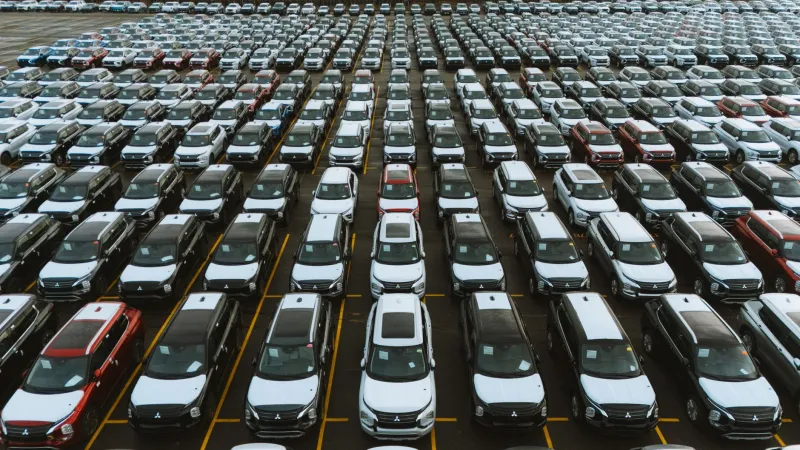
Rental companies don't show you everything they have. A portion of their fleet — sometimes a pretty significant one — is deliberately held back from the general inventory pool that feeds booking websites and third-party platforms. Understanding why that happens, and what you can do about it, is one of the most underrated moves in the rental car game.
Why Some Inventory Never Makes It Online
The short version: not all cars are equal in a rental company's eyes, and not all customers are equal either.
Rental fleets are managed algorithmically. The system tracks demand, location, vehicle class, and return patterns, then makes decisions about what to surface in search results. Premium vehicles — think full-size SUVs, minivans, convertibles, or near-luxury sedans — are often held in reserve because the company knows they can generate more revenue from them through in-person upsells, loyalty member perks, or last-minute premium bookings.
Putting those cars in the general online pool risks underselling them to someone who booked a mid-size at a discount rate and just got lucky with an automatic upgrade. That's money left on the table from the company's perspective.
There's also a simpler logistical reason: fleet availability fluctuates constantly based on returns, maintenance rotations, and inter-location transfers. A car that wasn't on the lot this morning might roll in from a nearby location by noon. Online systems don't always update fast enough — or accurately enough — to reflect what's physically available right now.
The Loyalty Member Advantage (And How to Use It Even If You're Not One)
Frequent renters enrolled in loyalty programs at major chains get first access to premium inventory. That's not a rumor — it's a stated benefit of most programs. Elite members can often see vehicle classes that don't appear in standard searches, and in some cases, they're pre-assigned upgrades before they even arrive.
The good news: most loyalty programs are free to join and take about three minutes to sign up for. If you're not already enrolled with your preferred rental company, do it before your next booking. Even as a new member, you'll start showing up in the system differently than a completely anonymous walk-in. Agents can see your profile, and that small distinction sometimes matters when inventory decisions get made at the counter.
What to Actually Say at the Counter
Here's where most travelers leave opportunity behind. They walk up, hand over their confirmation, and accept whatever gets typed into the system. That's fine — but it's not the whole game.
A few questions can open doors that the online booking process never shows you:
"What do you have available that's not showing in my class?" This is a direct ask, and it works more often than people expect. Agents have visibility into the full lot. If there's something sitting there that fits your needs, a simple question surfaces it.
"Is there anything that just came back or is being transferred in today?" Vehicles that just returned from a rental often haven't been re-entered into the online availability pool yet. Asking specifically about recent returns can get you access to cars that technically don't exist in the system at that moment.
"Are there any vehicles being held for loyalty members that haven't been claimed?" Loyalty inventory that goes unclaimed close to a pickup window often gets released. Asking directly — politely — can get you consideration for one of those slots.
None of these are pressure tactics. They're just specific questions that show you know how the system works. Agents generally respond better to informed customers than to people demanding upgrades based on attitude alone.
Timing Is Everything With Hidden Inventory
If you want the best shot at vehicles that don't appear online, timing your pickup matters.
Late morning on weekdays is often a sweet spot. Business travelers who rented over the weekend have returned their cars, the lot is relatively full, and the day's outgoing reservations haven't all been processed yet. That creates a window where agents have more flexibility.
End of month is another one. Rental companies sometimes have fleet targets to hit — vehicles that need to be rented or moved before accounting periods close. That can create unusual willingness to offer better cars at standard rates.
Avoid peak pickup windows if you want negotiating room. Friday afternoon at a major airport location is not the moment to ask for a premium swap. Everyone's in line, agents are slammed, and the lot is getting picked over in real time. If your schedule has any flexibility, shifting your pickup time by even a few hours can change the dynamic.
Third-Party Sites vs. Booking Direct
This is worth addressing plainly: when you book through a third-party aggregator, the rental company is often working with a subset of their available inventory — not the full fleet. Aggregators pull from an API feed that may not include premium classes, specialty vehicles, or last-minute additions.
Booking directly through the rental company's own site or app doesn't always solve this, but it does give you better visibility into their actual offerings. You're also more likely to be recognized as a loyalty member, which matters for the reasons already covered.
For travelers who want maximum flexibility, booking direct and calling the location the day before your pickup to ask about current availability is a legitimate strategy. Yes, an actual phone call. The person who answers has eyes on the physical lot in a way no website does.
The Bigger Picture
The rental car industry has gotten more opaque as it's gotten more digital. Algorithms drive pricing, search results surface curated inventory, and the whole experience is designed to move you through the funnel efficiently — not necessarily to give you the best possible car for your money.
But the physical lot still exists. The agents behind the counter still have discretion. And the gap between what you see online and what's actually available is often wider than most people realize.
Knowing that gap exists is the first step. Knowing how to navigate it — with the right questions, the right timing, and a loyalty profile that makes you visible — is how you actually get the car you wanted instead of the one the algorithm decided you'd accept.
Next time you're standing at the counter, remember: the best car in your price range might not be the one on your confirmation. It might be the one you have to ask about.