What the Person Behind the Counter Knows That You Don't
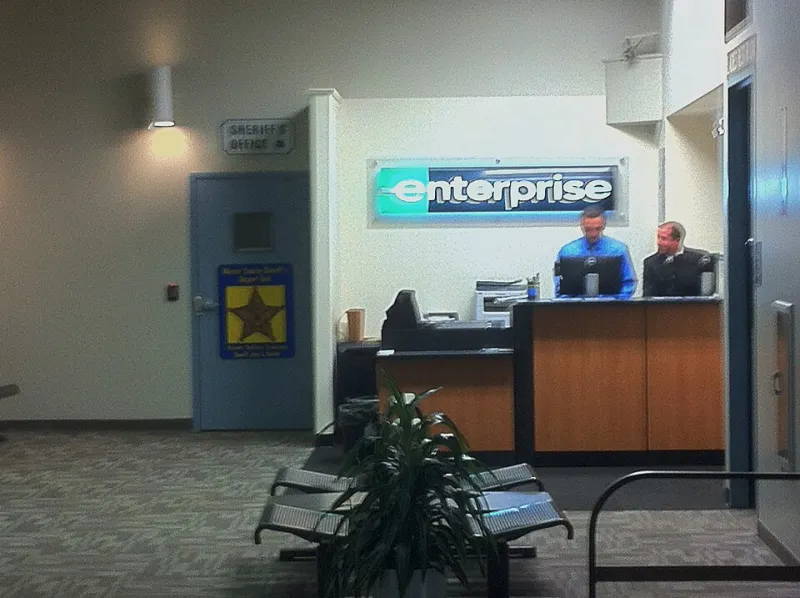
Photo: Jthompson5254, CC BY-SA 3.0, via Wikimedia Commons
Rental counters are theater. The line, the tablet pitch, the "would you like to protect yourself today?" — it's all a script, and the person delivering it has quotas. We spoke with a handful of former counter agents from major US rental brands, who shared — on the condition of anonymity — how the game actually works. If you play it right, they told us, you can reliably shave $100 or more off your annual rental spend.
The Upgrade Isn't Random. It's Inventory Math.
Ever wonder why some people get bumped into a nice SUV for free while others pay $18 a day for the privilege? According to our sources, complimentary upgrades follow a simple logic: the location is overbooked on a category, or the fleet needs to move.
"If we had too many midsize sedans on the lot and a Monday morning rush coming, we'd upgrade the low-stakes reservations first," one former agent told us. Translation: bookings made through the brand's own app or loyalty program — where the agent can see you're a member — got the freebies. Third-party bookings and walk-ups got the upsell pitch.
The timing matters too. Upgrades get handed out when the morning shift assesses the lot, usually right at opening or after the midday return wave. Renting Tuesday through Thursday dramatically improves your odds, because that's when the lot is fullest and the fleet needs balancing.
The Loyalty Program Is the Real Life Hack
Here's the move almost nobody makes: signing up for the free loyalty tier at two or three major brands takes about five minutes each, and it changes your entire experience. Members at the basic tier often skip the counter entirely at participating locations, walking straight to the lot and picking a car from the available row.
"Counter time is where we made our money," one source admitted. "A member who skips the counter is a member we can't pitch." That's the whole point. The upsells — prepaid fuel, insurance add-ons, satellite radio packages — die on the vine when there's no desk conversation to have them in.
One agent estimated that a typical counter interaction generated $25–40 in attached fees. Skip the counter four times a year and you've quietly saved over a hundred dollars, before you've negotiated a single thing.
The Fee Menu, Decoded
Our sources were refreshingly blunt about what they were trained to push and what it's actually worth:
- Prepaid fuel. "We priced it above pump rates on purpose. Only say yes if you'll return the car on empty and there's no station near the lot."
- Damage waivers. "Half the people buying it had coverage through their credit card and didn't know it." Check your card's rental benefits before you book — most major US issuers include primary or secondary coverage.
- Toll packages. "Convenient, but the daily fee adds up fast. In most states you can pay tolls directly or use your own transponder for a fraction of the cost."
- Additional driver fees. "Some partners — spouses on the same reservation, members of certain loyalty programs — are free, but we were told to charge first and ask questions later."
The Phrases That End the Pitch
Every agent we spoke with confirmed there are magic words. The pitches are scripted, and scripts have exit ramps:
- "I have coverage through my credit card" — ends the insurance loop, because the agent can't make claims about your policy.
- "I'll decline everything today, thank you" — a complete sentence that closes the upsell sequence. Saying it politely and immediately works better than debating each add-on.
- "I've already got my fuel plan" — stops the prepaid fuel pitch cold.
One source put it perfectly: "The nicest customers who declined everything in one sentence were our favorite customers. We moved on and got them on the road in four minutes."
The Quiet Ask That Actually Works
Finally, if you do want a better car, don't hint — ask directly, once, at the start. "If you have anything available in the full-size class, I'd really appreciate it" lands better than small talk that circles the request. Agents have discretion, and discretion gets exercised for people who are easy to help: polite, quick, and already in the system.
None of this requires insider status. It requires knowing that the counter is a sales environment, that the loyalty program is your backstage pass, and that a single well-placed sentence can save you the cost of a nice dinner. Multiply that across a year of trips, and the math gets very friendly indeed.