The 23-Day Rule: When a Long-Term Rental Beats Buying, Leasing, or Hailing a Ride

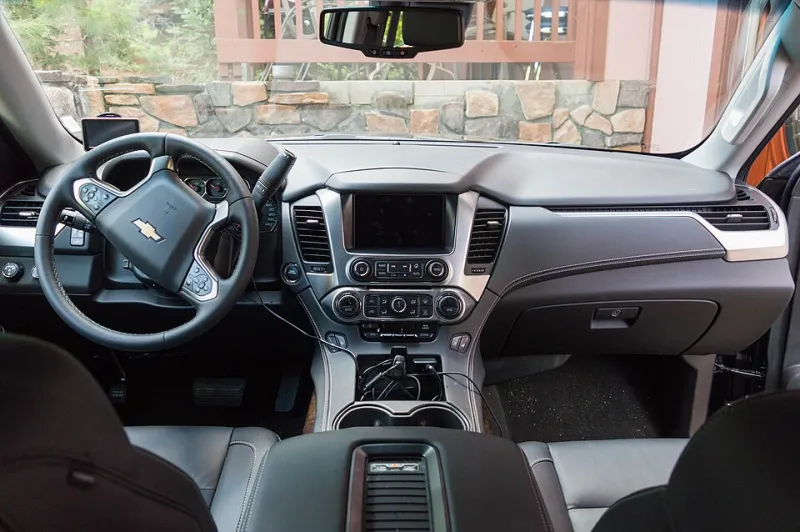
Photo: long-term rental car parked in apartment garage monthly rental, via i.pinimg.com
The question is not the daily rate. It is the total cost per month.
A long-term rental is usually defined as 28 days or more. In 2026, monthly rates for an economy or midsize car commonly land between $900 and $2,000 before taxes and fees. That sounds like a lot until you compare it with a lease payment, a used-car purchase, or a month of ride-hailing. The daily rate is a distraction. What matters is the all-in cost of having a car available every day, for the number of days you actually need it.
There is a rough threshold worth remembering: around day 23, a monthly rental can start beating a standard daily rental. If a daily rental costs $55 and a monthly rate is $1,200, the break-even is about 22 days. Add taxes and fees and the line moves, but the principle holds. Once you are past three weeks, ask for the monthly rate.
The four contenders, priced honestly
Long-term rental
Base rate: $900 to $2,000 per month. Taxes and airport fees can add 15 to 20 percent. Insurance is the big variable. If your personal auto policy or credit card covers rentals, you may pay nothing extra. If you need the rental company's coverage, it can add $20 to $40 per day, which destroys the math. Mileage caps matter too: many monthly rentals include 2,500 to 3,000 miles per month, with overage at $0.25 to $0.50 per mile. Return fees, cleaning fees, and additional-driver fees can add another $50 to $200.
A realistic all-in range for a monthly rental with basic insurance and average mileage is $1,400 to $2,000. The appeal is zero down payment, no registration, no maintenance risk, and the ability to walk away at the end of the month.
Lease
A compact lease might run $350 to $600 per month for 24 to 36 months. But you need a down payment, often $2,000 to $3,000, plus acquisition fees, registration, and insurance. Mileage is usually capped at 10,000 to 12,000 miles per year. Excess wear and disposition fees can bite at the end. A realistic first-year all-in cost is $700 to $1,000 per month, but you are committing for years and you need good credit.
Used-car purchase
A decent used car might cost $12,000 to $20,000. Add sales tax, title, registration, insurance, and maintenance. If you buy and sell within six months, you pay transaction costs and depreciation. A $15,000 car might sell for $13,500 six months later. Add $1,200 in tax and fees, $900 in insurance, $600 in maintenance, and you are at roughly $4,200 in cost for six months, or $700 per month. That can beat a rental, but only if you have the cash, the time to shop, and the stomach for paperwork.
Ride-hailing
Ride-hailing looks cheap per trip and expensive per month. In many U.S. cities, a 10-mile trip runs $18 to $30 before tip and surge. If you need 1,000 miles of driving in a month, that could easily be $1,500 to $3,000 in fares. If you need 300 miles, it might be $450 to $900. Ride-hailing wins when you are urban, parked, and doing fewer than roughly 400 to 500 miles per month. It loses badly when you need a car for a daily commute or a temporary job site outside the city.
The break-even zones
Here is the practical version, using a monthly rental at $1,500 all-in as the benchmark.
- Under 3 days: airport rental or ride-hailing. A long-term rental makes no sense.
- 3 to 21 days: standard rental. Compare daily rates, but do not pay for a month you do not need.
- 22 to 90 days: long-term rental often wins. You avoid a down payment, registration, and resale risk. A lease is usually too much commitment for this window.
- 3 to 6 months: long-term rental and lease are close. If you have good credit and can commit, a lease may be cheaper per month. If you need flexibility, the rental still wins.
- 6 to 12 months: a lease or a used purchase starts to pull ahead, especially if you can handle maintenance and resale.
- 12 months or more: buying used or leasing usually beats a rental, unless you need a short-notice exit or the rental is a business expense with tax advantages.
The hidden costs that wreck the math
Insurance is the first trap. The rental company's counter coverage can cost more than the car itself over a long rental. Call your auto insurer and your credit card company before you book. Ask whether they cover long-term rentals, whether they cover loss of use, and whether they require you to decline the rental company's coverage in writing.
Mileage is the second trap. A monthly rental with a 2,500-mile cap is fine for a local assignment and terrible for a sales route. Price the overage before you sign. If you expect 4,000 miles per month, a rental with a 3,000-mile cap and $0.30 per mile overage adds $300 per month.
Taxes and fees are the third trap. Airport concession fees, vehicle license fees, and sales tax can add hundreds of dollars over a month. Ask for the out-the-door monthly rate, not the base rate. Return fees and cleaning fees are the fourth trap. Ask what triggers them and get it in writing.
How to choose without overthinking it
Estimate three numbers: days, miles, and parking. If you need a car every day for 3 to 10 weeks, price a long-term rental first. If you need a car for 6 months or more and you have good credit, price a lease. If you have cash and patience, price a used car. If you live in a city and drive fewer than 500 miles per month, price ride-hailing.
The 23-day rule is not a law. It is a reminder that rental math changes when you stop paying by the day. Once you cross three weeks, the monthly rate is the number to beat. If it beats the alternatives after insurance, mileage, taxes, and return fees, take it. If it does not, walk away.