The Trunk Check: What Should Already Be Back There Before You Pull Out of the Lot

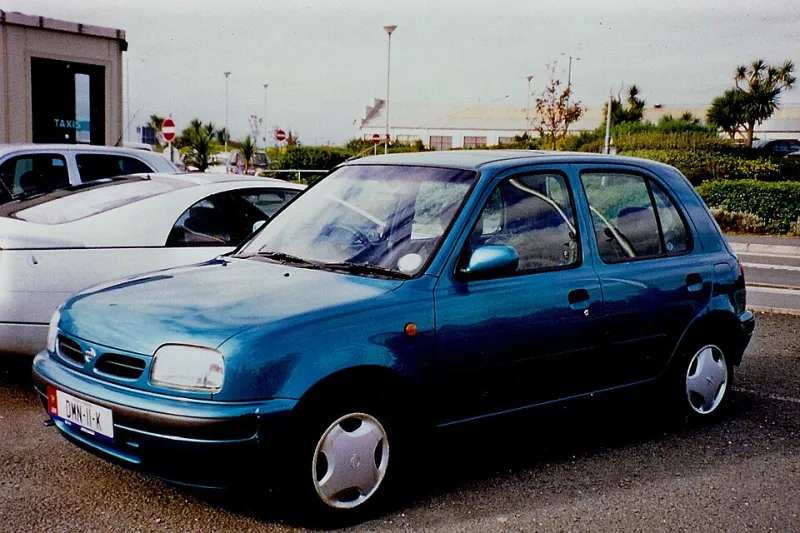
Photo: Xnatedawgx, CC BY-SA 4.0, via Wikimedia Commons
Here's a small ritual worth adopting: before you drive off, pop the trunk. Not to load bags — to look. Most rental cars in the US fleet come with a spare tire or inflator kit, and precious little else. What's not in that trunk on the day your battery dies outside Flagstaff is entirely your problem.
Rental companies are required to give you a roadworthy vehicle. They are not required to give you a survival kit. That gap is what this list is for.
The Five-Minute Trunk Inspection
Before leaving the lot, confirm the basics exist:
- Spare tire, jack, and lug wrench — or, increasingly common on newer models, an inflator/sealant kit. Know which one you have. A sealant kit won't help with a sidewall blowout.
- Owner's manual — usually in the glovebox, occasionally missing. You'll want it if a warning light appears at mile 300.
- Registration and insurance card — should be in the glovebox. Verify, because 'should be' is doing heavy lifting there.
Snap a few photos of the car's condition and the fuel gauge while you're at it. You're already standing there.
What to Pack Yourself
A rental is a stranger's car. Assume nothing. This kit fits in a small duffel and covers about 95% of roadside bad days:
- Jumper cables or a lithium jump starter. The jump starter is the modern move — no second car required, and it doubles as a phone battery bank. Around $60-80, and it lasts years.
- Phone charger that works in the car. Test the outlet or USB port before you leave the lot. Dead phone plus dead battery is how roadside stories go from annoying to serious.
- Tire pressure gauge. Rental tires are maintained inconsistently at best. A $5 pencil gauge and a two-minute check at the first gas station prevents most blowouts.
- Water — a gallon, plus a couple of bottles. For the radiator, for you.
- Basic first-aid kit. Bandages, antiseptic wipes, pain relievers, any personal meds.
- Flashlight or headlamp. Phone flashlights die with the phone.
- Emergency blanket and a granola bar or two. Cheap, weightless, and life-changing if you're waiting two hours for a tow on I-80 in February.
- Paper towels and a trash bag. Less survival, more sanity.
If you're heading somewhere remote — big swaths of Nevada, Utah, the Dakotas — add a portable phone charger and let someone know your route. Cell coverage out there is a suggestion, not a service.
What the Rental Company Owes You (and What They'll Charge For)
Here's where expectations meet fine print. If the car itself fails — mechanical breakdown, not user error — most major companies will send roadside assistance and swap you into another vehicle at no charge. That's genuinely useful, and it's a reason to call the rental company's roadside number before calling a random tow service.
But the boundaries matter:
- Lockout? Assistance exists, but some companies bill a fee unless you purchased their roadside protection plan.
- Flat tire from road debris? Usually covered as a mechanical-type issue, but document it. Photos of the tire and the debris location.
- Dead battery because you left the lights on? Expect a jump (often free) but don't be shocked by a service fee if you declined their coverage plan.
- Fuel delivery because you ran dry? Almost always charged — at eye-watering per-gallon rates plus a service call.
The optional roadside protection plans sold at the counter run a few dollars a day. Whether they're worth it depends on where you're driving. A week in suburban Ohio? Skip it. Five days crossing the Mojave on Route 66 with spotty coverage? That's the scenario the plan is priced for.
The Two-Minute Version
No time for the full kit? Do these three things minimum: test the charger port, confirm the spare (or sealant kit) is present, and stick a bottle of water and a phone battery pack in the trunk. It's the rental equivalent of checking you have your wallet — except the consequence of forgetting is a long walk on the shoulder of I-40.